中国稀土霸权之路:历经六十年规划,最高层直接发出指示
Inside China’s Six-Decade Campaign to Dominate Rare Earths
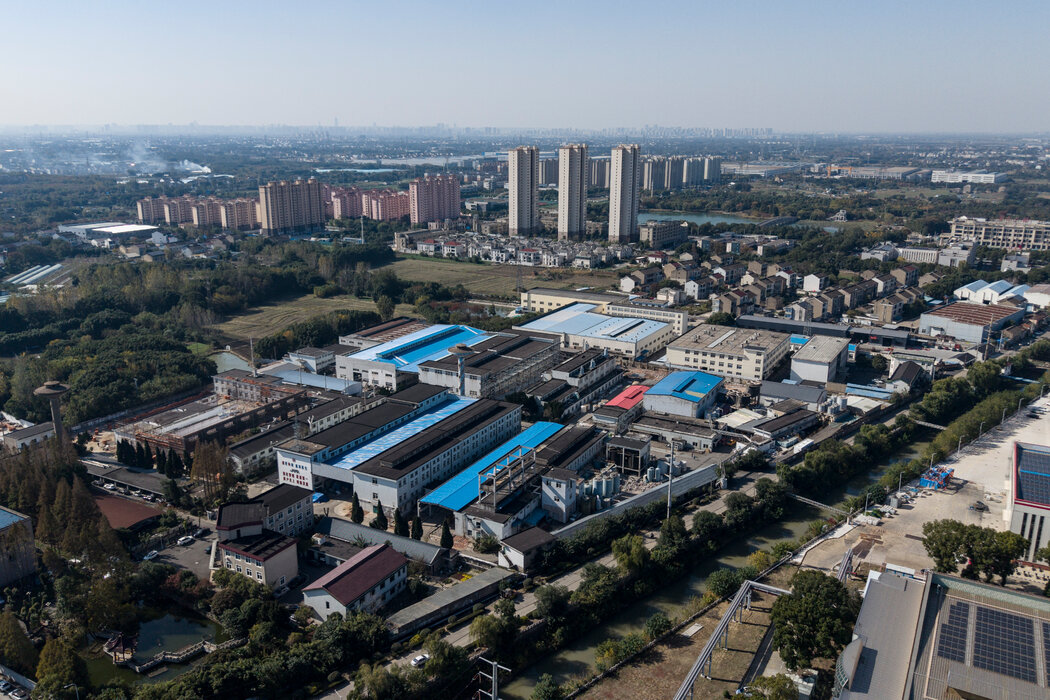
The origin of China’s dominance of rare earths can be traced to an iron ore mine near Baotou in the country’s north, 50 miles from the Mongolian border.
中国稀土主导地位的起源可以追溯到该国北部包头附近的一个铁矿,距离蒙古边境约80公里。
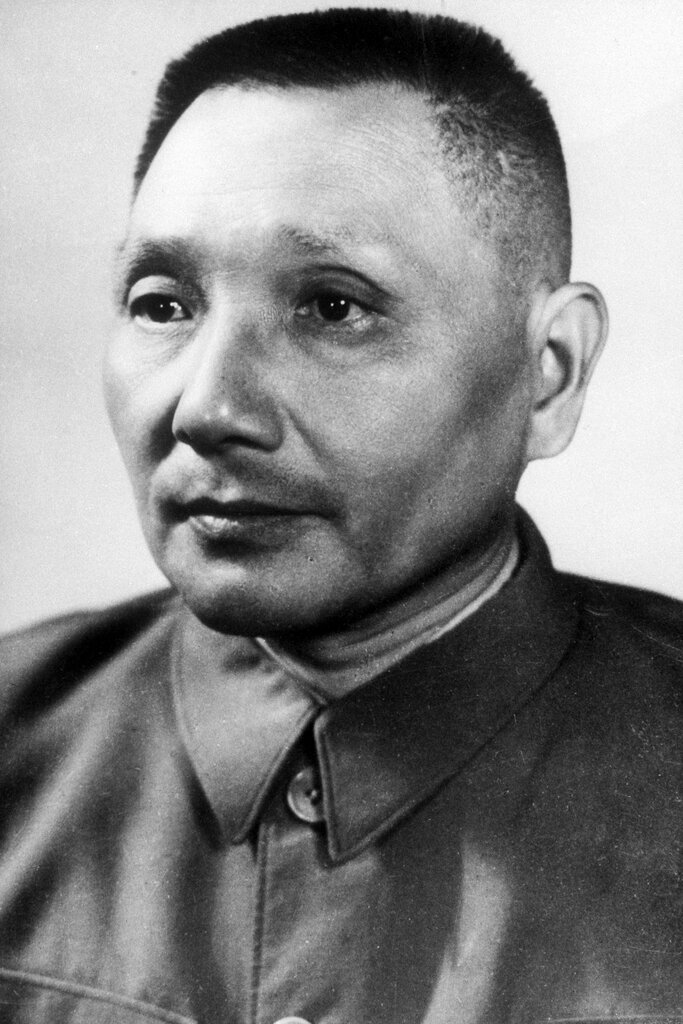
It was April 1964 and Chinese geologists had discovered that the mine also held the world’s largest deposit of rare earths, a set of 17 metals that have become essential ingredients for today’s global economy. Deng Xiaoping, then a high-ranking Chinese Communist Party official, visited the remote desert mine, owned by a military steel maker, to inspect the massive cache.
那是1964年四月,中国地质学家发现,这座矿藏中还拥有世界上最大的稀土矿床,这种由17种金属组成的矿物如今已成为全球经济的重要组成部分。当时身为中国共产党高级官员的邓小平前往由军工钢铁企业拥有的偏远沙漠矿山,视察这座巨大的矿藏。
“We need to develop steel, and we also need to develop rare earths,” declared Mr. Deng, who over a decade later would emerge as China’s top leader.
“我们要发展钢铁,也要发展稀土,”邓小平表示。十多年后,他将成为中国的最高领导人。
Rare-earth metals and the magnets made from them are widely used in a long list of civilian and military applications, from cars to fighter jets. China’s position as the leading supplier has given it enormous leverage over manufacturing and leadership in clean energy technologies like electric cars and wind turbines. Companies all over the world depend on Chinese exports of those magnets.
China’s centrality in rare earths didn’t happen by accident. It is the result of decades of planning and domestic and overseas investment, often directed from the highest levels of the party and the Chinese government.
中国在稀土领域的核心地位并非偶然。这是数十年来规划以及国内外投资的结果,而中共和中国政府最高层时不时会发出直接的指令。
In the early 1970s, the People’s Liberation Army launched a little-known research program to develop potential military uses of rare earths.
20世纪70年代初,中国人民解放军启动了一个鲜为人知的研究项目,开发稀土的潜在军事用途。
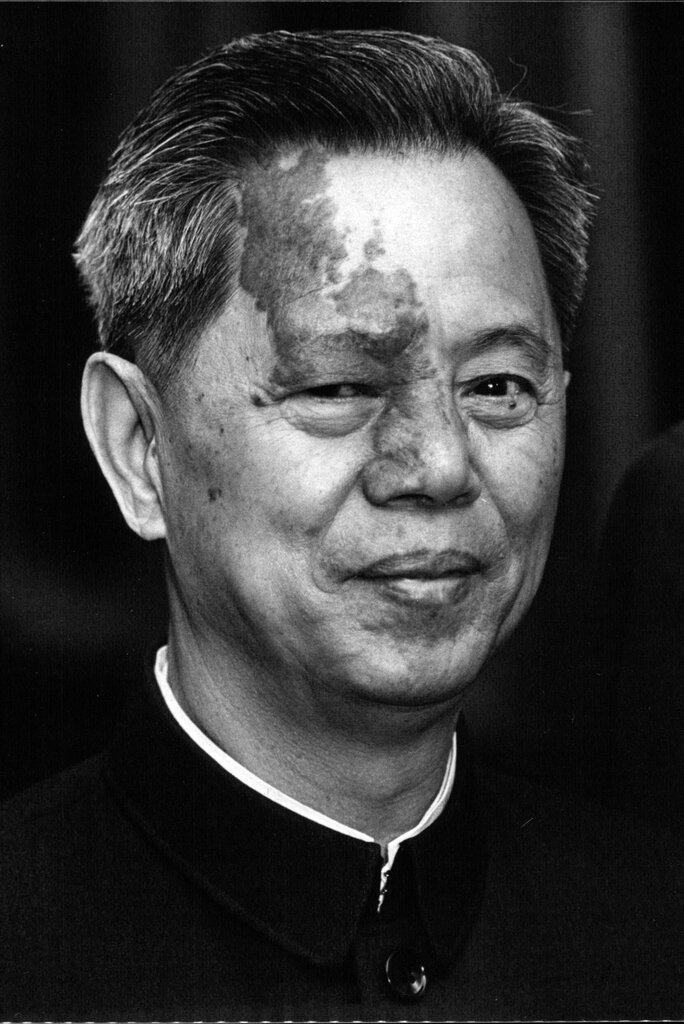
Mr. Deng kept pushing China’s rare-earth advancement forward in the 1980s and 1990s together with Wen Jiabao, a geologist by training who went on to serve as China’s premier from 2003 to 2013. Under Mr. Wen, China consolidated what was a highly splintered web of mostly private companies into a tightly run arm of the Chinese government. Mr. Wen closed mines run by smugglers and cleaned up the industry’s most severe pollution. The sector grew in size and expertise.
邓小平在20世纪80、90年代与温家宝一同继续推动中国稀土的发展,后者是地质学家出身,于2003年至2013年担任中国的总理。在温家宝领导下,中国将原本高度分散、主要由私营企业组成的网络整合成一个由中国政府严格管控的部门。温家宝关闭了走私者经营的矿山,并清理了行业中最严重的环境污染。该行业在规模和专业知识上均得到提升。
广告
In 2019, seven years into his reign as China’s top leader, Xi Jinping described rare earths as “an important strategic resource.” And he has shown this year that he is willing to use rare earths as a chokehold on global supply chains and a powerful tool in China’s trade war with President Trump.
2019年,在担任中国最高领导人七年之后,习近平称稀土为“一种重要的战略资源”。去年的事态发展表明,他会将稀土作为扼制全球供应链的工具,以及在中国与特朗普总统贸易战中的强大武器。
In April and again in October, China enacted new export controls that allowed it to withhold supplies of rare earths and rare-earth magnets and force Mr. Trump to compromise on tariffs. The October order “pointed a bazooka at the supply chains and the industrial base of the entire free world,” Treasury Secretary Scott Bessent said.
去年4月与10月,中国两度出台新的出口管制措施,限制稀土及稀土磁体供应,迫使特朗普总统在关税问题上做出让步。财政部长斯科特·贝森特称,10月的这道禁令“无异于将火箭炮对准了整个自由世界的供应链与工业基础”。
Not since the Arab oil embargo in late 1973 and early 1974 had the United States experienced such a drastic loss of access to critical minerals. And while the oil embargo affected a third of the world’s oil supply, China produces 90 percent of the world’s rare earths and rare-earth magnets.
自1973年末至1974年初的阿拉伯石油禁运以来,美国从未遭遇如此严重的战略矿产供应断裂。那次石油禁运影响了全球三分之一的石油供应,而中国的稀土及稀土磁体产量占全球总量的90%。
China’s actions this year on rare earths were “undeniably a major moment in geoeconomic history and international relations,” said Nicholas Mulder, a historian of embargoes and sanctions at Cornell University.
康奈尔大学专攻禁运与制裁史的学者尼古拉斯·穆尔德指出,中国今年在稀土领域的举措“无疑是地缘经济史与国际关系史上的一个重大转折点”。

Early Role for China’s Military
中国军方的早期作用
China’s rare-earths industry leaped ahead in a military operation more than 50 years ago during the chaos of the Cultural Revolution. Mao’s Red Guards had almost completely closed most schools and universities. It seemed an unlikely time for a technological breakthrough.
中国稀土产业的跨越式发展源于50多年前文化大革命动荡时期的一项军方行动。当时,毛主席领导的红卫兵几乎令所有大中小学关停,这本是一个不太可能实现技术突破的年代。
广告
The father of the industry was Xu Guangxian, a tall, thin man from Shaoxing, a town near Shanghai. He loved Go, an ancient Chinese board game, and devoured martial arts novels.
来自上海附近的绍兴的中国稀土产业之父徐光宪身形瘦高,他酷爱中国古老的围棋,也沉迷武侠小说。
Shortly after World War II, Mr. Xu completed a doctorate in chemistry at Columbia University. He returned home to teach and do research at Peking University in Beijing. Mr. Xu discovered a new way to process uranium, a breakthrough in China’s efforts to build an atomic bomb that presaged the role he would later play in rare earths.
二战结束后不久,徐光宪在哥伦比亚大学获得化学博士学位,随后回国任教于北京大学,投身科研工作。他率先发现了一种铀加工的新工艺,这一突破为中国研制原子弹立下汗马功劳,也预示了他日后在稀土领域将扮演的关键角色。
Then, like many intellectuals, Mr. Xu was imprisoned during the Cultural Revolution. But in 1971 he was politically rehabilitated and brought back to Peking University. The People’s Liberation Army had a job for him: Invent a new way to refine pure samples of rare-earth metals. The Chinese military wanted the samples to experiment with battlefield lasers.
后来,和许多知识分子一样,徐光宪在文革期间遭到关押。但到了1971年,他获得平反,重返北京大学。中国人民解放军此时交给他一项重任:研发一种提纯稀土金属单质的新方法。军方需要这些高纯度稀土样品,用于研发军用战场激光设备。
Purifying rare earths is extraordinarily difficult. Early chemists named them rare not because they were hard to find — they are not — but because of the challenge of separating them from one another.
稀土提纯难度极高。早期化学家之所以将其命名为“稀土”,并非因其储量稀少——事实恰恰相反——而是因为要将各种稀土元素彼此分离,是一项极为艰巨的挑战。
At Peking University, Mr. Xu and his wife, Gao Xiaoxia, also an accomplished chemical engineer, holed themselves up in a laboratory. They had a revolutionary breakthrough: Rare earths could be purified using inexpensive hydrochloric acid and cheap plastic holding tanks rigged together.
在北京大学的实验室里,徐光宪与同为杰出化工专家的妻子高小霞潜心钻研。他们最终取得了一项革命性突破:只需价格低廉的盐酸和简易搭建的塑料储槽,即可实现稀土提纯。
Mixed rare earths were poured in one end, and specific kinds of rare earths, after binding to various solvents, emerged from different outlets at the other end. It was the first rare-earth assembly line, a crude version of a process still used today. Production costs plummeted with Mr. Xu’s techniques.
混合稀土原料从一端注入,经过与不同溶剂的结合,特定种类的稀土元素会从另一端的不同出口析出。这便是全球首条稀土提纯生产线,这一工艺至今仍在使用,只不过更为精细。徐光宪的技术方案大幅降低了稀土生产成本。
Mr. Xu installed his first production lines, in Baotou and at a chemical plant in Shanghai, and started training engineers from all over China.
他随后在包头以及上海的一家化工厂建起首批生产线,并开始培训来自全国各地的工程师。


Deng Xiaoping Takes Charge
邓小平掌权
After the death of Mao, Mr. Deng began consolidating power with an economic program that emphasized science and technology and selected Vice Premier Fang Yi to oversee it in 1978. Mr. Fang traveled with an entourage of scientists and engineers to Baotou to inspect the rare-earth industry.
毛泽东逝世后,邓小平开始巩固权力,推行一套重视科技发展的经济纲领。1978年,他任命方毅副总理分管这方面的工作。方毅率领一众科学家与工程师赶赴包头,考察当地稀土产业。
广告
A Five-Year Plan drafted by Mr. Deng and Mr. Fang, covering 1981 to 1985, ordered that China “increase the production of rare-earth metals.”
在邓小平与方毅起草的1981-1985年的“五年计划”中,明确提出中国要“增加稀土金属和稀有金属的生产”。
More than 100 towns and villages across China built rare-earth refineries in the 1980s, many of them state-owned and few with meaningful pollution controls. By 1986, China was the world’s largest producer of rare earths.
整个80年代,中国各地百余座城镇乡村建起了稀土冶炼厂,其中多数为国有企业,且鲜有配套的污染治理设施。到1986年,中国已跃居全球最大稀土生产国。
Overseas refineries also adopted some of Mr. Xu’s techniques — and, to his lasting annoyance, they paid no royalties because he had not patented his inventions. “We didn’t have any sense of secrecy back then,” Mr. Xu said in an interview with a Chinese journal many years later.
海外的稀土冶炼厂也纷纷采用徐光宪的技术——但令他终身耿耿于怀的是,由于当时没有为这些发明申请专利,这些海外厂家并未支付任何专利使用费。多年后,徐光宪在接受一家中国期刊采访时坦言:“我们那时候没有保密意识。”
Rare earths were used in fairly low-tech manufacturing at the time, to make steel stronger or refine oil and polish glass.
当时,稀土的应用还是在相对低端的制造业领域,比如用于增强钢材硬度、石油精炼和玻璃抛光等工序。
But in laboratories in Michigan and Japan, engineers were starting to discover how to turn rare-earth metals into extremely powerful magnets. Rare earths were about to become central to advanced manufacturing, and the creation of a modern world of computers, smartphones and cars.
而在密歇根与日本的实验室里,工程师们已开始探索将稀土金属制成超高强度磁体的技术。稀土即将成为高端制造业的核心材料,推动由计算机、智能手机和汽车构成的现代世界诞生。
In 1983, engineers at General Motors and the Japanese magnet maker Sumitomo Special Metals each announced they had developed powerful rare-earth magnets. The magnets were immediately put to use in electric motors in the auto industry and beyond.
1983年,通用汽车公司与日本住友特殊金属公司的工程师几乎同时宣布,各自研发出高性能稀土磁体。这种磁体随即被应用于汽车行业及其他领域的电动机生产中。
China lacked expertise to turn rare earths into magnets. It would purchase that know-how from the United States.
当时的中国还不具备将稀土加工成磁体的技术,因此只能从美国购入。


G.M. Steps Out, China Steps In
通用汽车退出,中国入局
General Motors had turned its discovery into a thriving magnet manufacturing subsidiary in Indiana, called Magnequench. But a decade later, G.M. decided to stop making many of its own auto parts.
通用汽车曾将这项发现转化为一家盈利丰厚的磁体制造子公司——位于印第安纳州的麦格昆磁公司。然而十年后,通用汽车决定不再自主生产许多汽车零部件。
广告
Magnequench was sold in 1995 to a consortium of investors that included two Chinese companies led by sons-in-law of Mr. Deng: Wu Jianchang and Zhang Hong. Under President Bill Clinton, the U.S. government allowed the transaction to proceed because a majority of the owners were American.
1995年,麦格昆磁公司被出售给一个投资人财团,其中包括两家中国公司,其负责人分别是邓小平的两位女婿吴建常与张宏。在克林顿执政时期,美国政府批准了这笔交易,理由是多数股东为美国人。
The American owners were mainly institutional investors. Mr. Deng’s sons-in-law had led companies with deep ties to low-cost magnet manufacturing in China. Magnequench started moving its equipment in 2001 to Tianjin and Ningbo, China, and shut down in Valparaiso, Ind., by 2004.
这些美方股东多为机构投资者,而邓小平的女婿们所领导的中国公司与中国低成本磁体制造领域联系紧密。2001年起,麦格昆磁公司开始将生产设备迁往中国的天津与宁波,并于2004年全面关停了位于印第安纳州瓦尔帕莱索市的工厂。
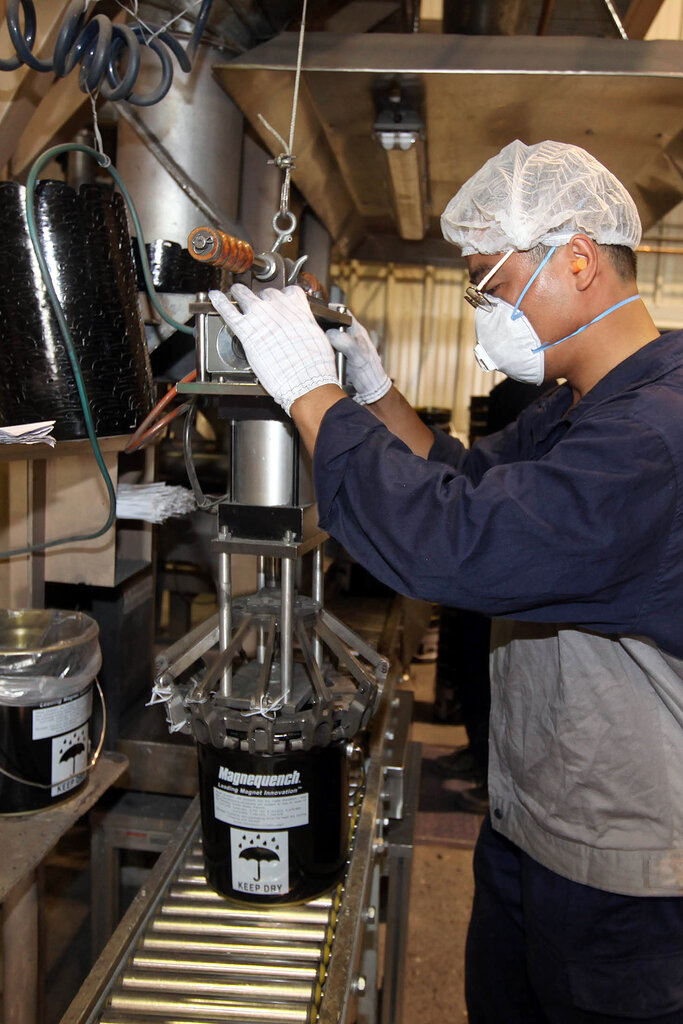
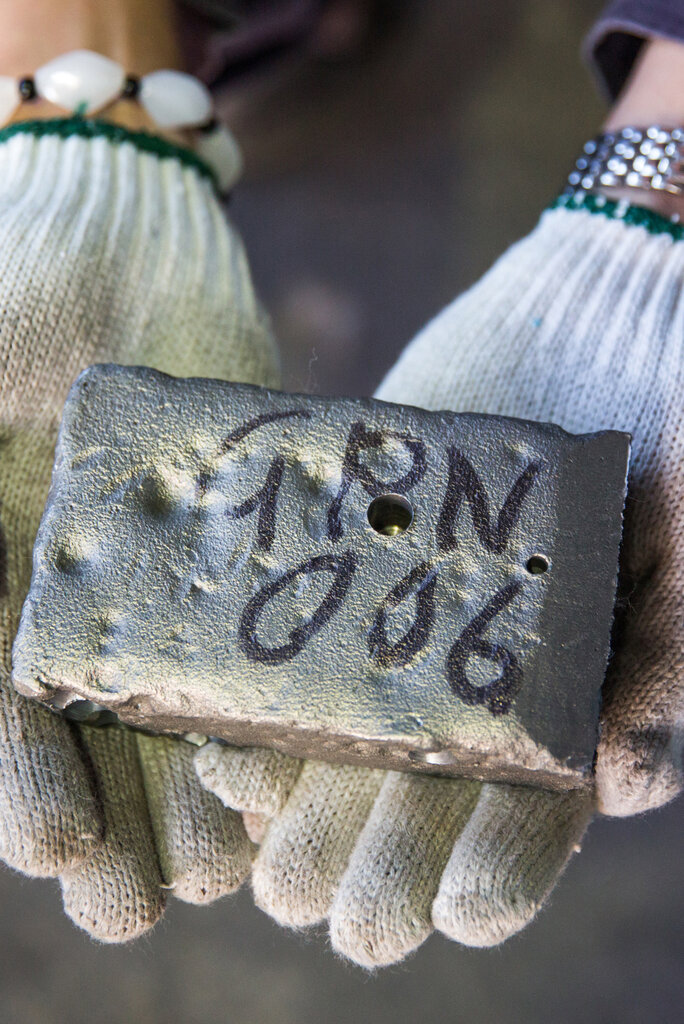
“A lot of equipment in Valparaiso was decommissioned, disassembled and put on pallets prepared for ocean shipment,” said Jeff Calvert, who was a Magnequench manager assigned to oversee the installation of the equipment at a magnet factory in Tianjin. He said the Chinese factory had previously been using processes “that were at least 10 years behind” what Magnequench had developed in Valparaiso.
杰夫·卡尔弗特曾是麦格昆磁公司的一名经理,负责监督天津一家磁体工厂的设备安装工作。他回忆:“瓦尔帕莱索工厂的大批设备被停用、拆解,然后打包装上海运托盘。”他还表示,那家中国工厂此前采用的生产工艺“至少比麦格昆磁在瓦尔帕莱索研发的技术落后十年”。
The move by Magnequench, which was then bought in 2005 by a Canadian rare-earth processor with operations in China, taught China how to make rare-earth magnets.
麦格昆磁公司这一举措帮助中国掌握了稀土磁体的制造技术,麦格昆磁于2005年被一家在华开展业务的加拿大稀土加工企业收购。
But increased magnet production made pollution from rare-earth mines a bigger problem that Beijing needed to address.
但磁体产量的提升也使稀土矿开采带来的污染问题愈发严峻,亟待北京出手整治。
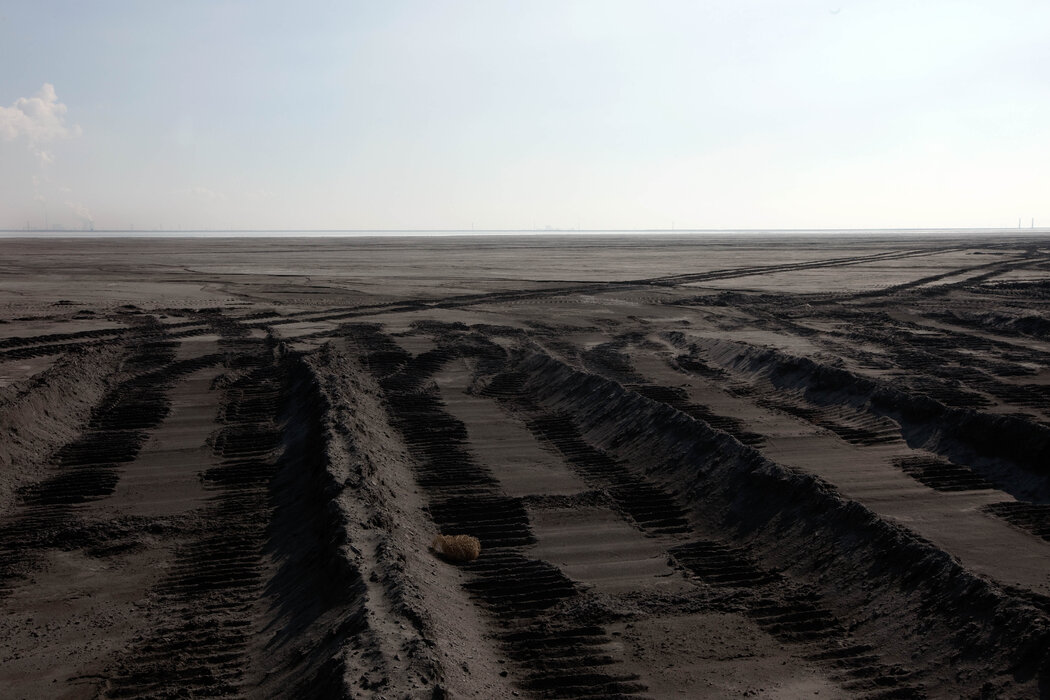
Rare-earth refineries in Baotou were dumping large quantities of radioactive waste into a repository that threated to contaminate the Yellow River.
包头的稀土精炼厂曾将大量放射性废料倾倒在一处废料库,对黄河流域的生态环境构成威胁。
Starting in 2006, Wen Jiabao, by then China’s premier, imposed annual quotas on Chinese rare-earth exports to limit processing and stem pollution. Cleanup measures began at mines in Baotou. The government took greater control of rare-earth companies, consolidating them under state ownership.
2006年起,时任中国总理温家宝开始对稀土出口实施年度配额管理,旨在限制稀土加工规模,遏制污染蔓延。包头的稀土矿也随之启动环境整治工作。政府加强对稀土企业的管控,将其整合为国有企业。

China Tests a Trade Weapon
中国试水贸易武器
In late September 2010, two dozen of the most powerful executives in China’s rare-earth industry were summoned to a conference room deep inside China’s Ministry of Commerce, a Stalinist building in the heart of Beijing. China was confronting Japan over uninhabited islands north of Taiwan.
2010年9月下旬,中国稀土行业20余位最具影响力的企业高管被召集至位于北京核心城区、具有斯大林时代建筑风格的商务部大楼深处的一间会议室。当时中国正因台湾以北的几座无人岛屿的问题与日本产生激烈争执。
广告
A senior ministry official gave the executives their orders: no more rare-earth exports to Japan, their biggest market. No extra exports to other countries that might forward supplies to Japan. And not a word was to be spoken publicly about the ban.
商务部一位高官向这些高管下达指令:立即停止向最大出口市场日本供应稀土;严禁向其他可能转售稀土给日本的国家追加出口配额;此外,此事严禁向外界透露一字一句。
The embargo was never formally announced, but it forced the Japanese government to compromise on the territorial issue after two months. Yet the ban also exposed a weakness for Beijing.
这项禁运从未正式对外公布,但仅仅两个月后便迫使日本政府在领土争端问题上做出让步。不过,这场禁运也暴露了北京的一大软肋。
Chinese crime syndicates, which controlled about half of China’s rare-earth production, had continued smuggling rare earths from China to Japan even during the embargo.
中国的犯罪集团控制着国内约半数的稀土产量,即便是在禁运期间,这些团伙仍在持续将稀土走私出境,销往日本。
Mr. Wen ordered police campaigns to break the syndicates. Security forces stormed illegal mines and put them under Beijing’s direct control.
温家宝随即下令警方开展专项行动,打击这些走私团伙。执法部门迅速查封了非法稀土矿,将其置于北京的直接管控之下。
From a distance of 15 years, it is clear that the Japan embargo was a turning point for China’s rare-earth industry. Once-lawless areas of industrial activity were tamed and brought under the government’s thumb, and Beijing learned it could use that control to force geopolitical and trade partners to bend.
时隔15年回望,这场对日稀土禁运堪称中国稀土产业发展的一个关键转折点。一度无法无天的稀土产业被全面整顿,纳入政府管控,而北京也意识到,凭借对稀土的控制,就能迫使地缘政治与贸易伙伴做出让步。
China’s Future: Education and Research
中国的未来布局:教育与科研
Today, China is working to cement its lead in rare earths by churning out more trained technicians and researchers than any other country. Programs in rare earths are offered by 39 universities.
如今,中国正致力于巩固其在稀土领域的领先地位,培养的专业技术人员与科研人员数量远超其他任何国家。全国共有39所高校开设了稀土相关专业课程。
The United States and Europe have no such programs — not even at Iowa State University, an institution that once trained generations of American engineers in rare earths. Iowa State has not offered a course in rare earths for the last several years and has one graduate student doing independent study in the field. It plans to offer a course next year.
美国与欧洲却没有这样的课程——就连曾经培养出数代美国稀土工程师的艾奥瓦州立大学也不例外。该校近年来一直未开设稀土相关课程,目前仅有一名研究生在该领域从事独立研究,校方计划于明年恢复相关课程教学。
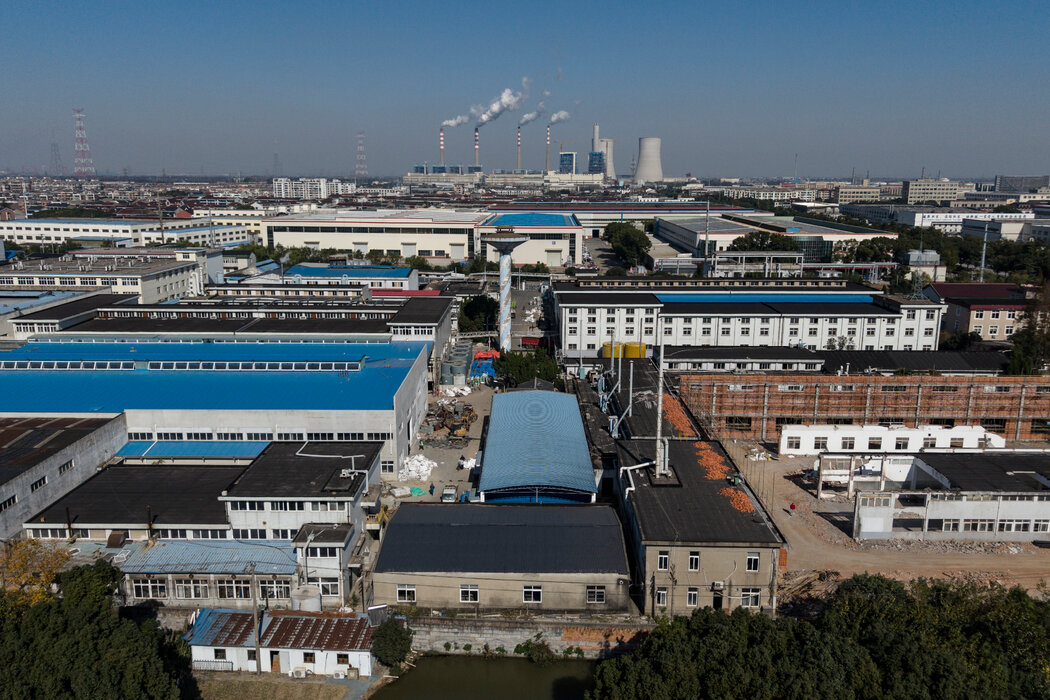
China has hundreds of scientists exploring rare-earth technologies. Technicians at a refinery in Wuxi, a city near Shanghai, spent seven years doing experiments to refine dysprosium, a rare earth, to extraordinary purity. The refinery is now the world’s sole source of that rare earth, which is used in capacitors — tiny devices to control electricity — found in Nvidia’s Blackwell artificial intelligence chips.
中国有数以百计的科学家致力于稀土技术研究。在上海附近的无锡市,一家稀土精炼厂的技术人员经过七年的实验,最终将稀土元素镝提纯至极高纯度。如今,这家精炼厂已成为全球唯一供应这种稀土元素的来源。镝用于制造电容器,这种微型电子元件用来进行电流调控,英伟达公司的布莱克威尔人工智能芯片中就采用了这种电容器。
Most of the refinery’s shares were until this year owned by Neo Performance Materials, the Canadian company that acquired Magnequench in 2005. A Chinese state-controlled company bought most of the shares on April 1. Then on April 4, Beijing halted exports of dysprosium and six other kinds of rare earths to the United States and its allies.
直至2025年,这家精炼厂的多数股权仍由2005年收购麦格昆磁公司的加拿大企业尼奥性能材料公司持有。但在2025年4月1日,一家中国国有控股企业收购了该厂的多数股权。紧接着,4月4日,中国政府宣布暂停向美国及其盟友出口镝及另外六种稀土材料。
China is determined to guard its technological lead. Beijing has halted most exports of rare-earth processing equipment. It has also taken away the passports of rare-earth technicians to prevent them from leaving the country with valuable information.
中国决意捍卫其技术领先地位。政府已暂停大部分稀土加工设备的出口,并收缴了稀土领域技术人员的护照,以防他们携带核心技术情报出境。
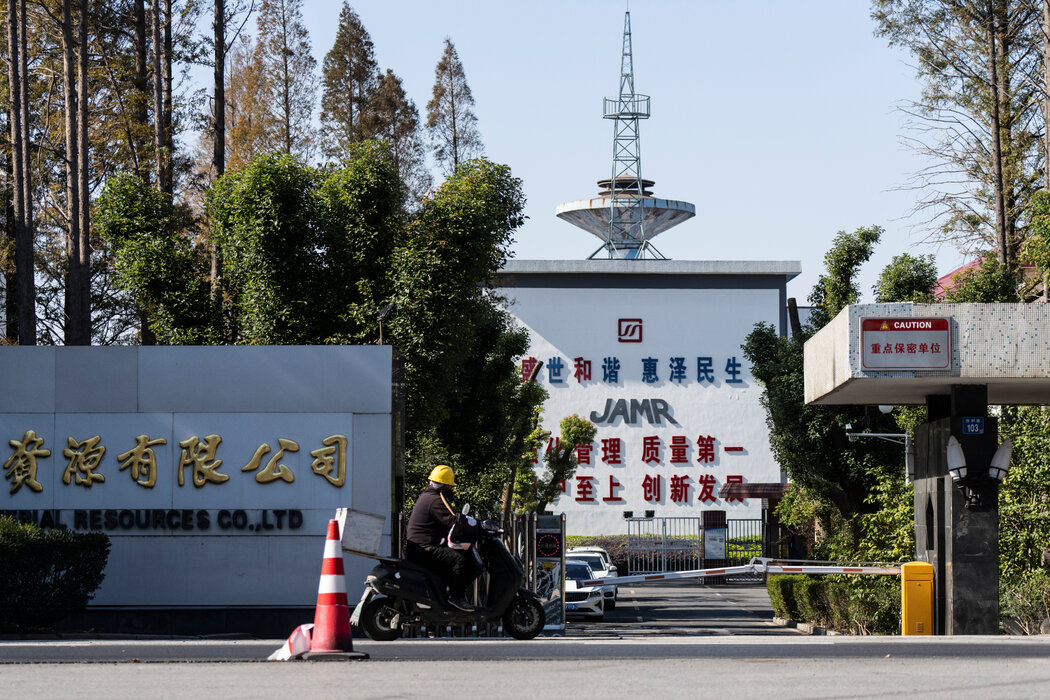
During a visit in late November to the Wuxi refinery, a shiny steel national security sign at the front gate warned: “Caution: Key Confidential Unit.”
11月下旬,记者走访了这家位于无锡的稀土精炼厂。大门处闪亮的钢制国家安全标牌做出了警示:“重点保密单位”。


