中国或限制对日稀土出口,两国紧张继续升级
China’s Threat to Block Rare Earths Has Put Japan on High Alert
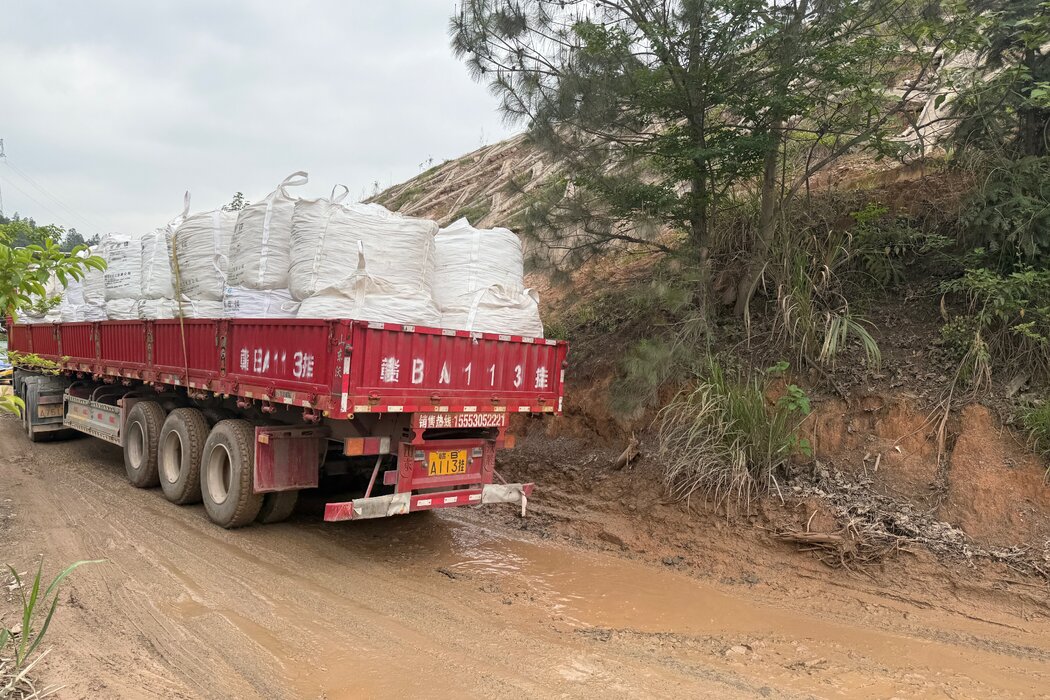
Coded threats from China that it might restrict exports of rare earths to Japan have raised alarms across Japanese business and politics, signaling a sharp escalation in a monthslong geopolitical feud between the countries.
中国发出可能限制对日本出口稀土的隐晦威胁,在日本商界和政界引发广泛担忧,标志着两国持续数月的地缘政治争端急剧升级。
China’s Ministry of Commerce said it would ban the export to Japan of all “dual-use” items with potential military applications, citing national security concerns. The official announcement, issued on Tuesday, was vague on specific commodities. Government-affiliated media, however, said Beijing was considering whether to include certain rare earths among the items it was restricting.
中国商务部以国家安全为由,宣布将禁止向日本出口所有具有潜在军事用途的“两用”物品。周二发布的官方公告未明确具体管制商品,但与政府有关联的媒体称,北京正考虑将部分稀土纳入限制清单。
The state-run China Daily reported that authorities were considering more stringent reviews for licenses to export so-called medium and heavy rare earths — scarce groups of metals found in devices ranging from electric vehicle motors to missile systems.
官方媒体《中国日报》报道,相关部门正考虑对所谓“中重稀土”的出口许可证加大审查力度。这类稀缺金属广泛应用于从电动汽车电机到导弹系统等各类设备中。
Shortly after the ministry’s announcement, the former head of the state-affiliated Global Times said on social media that a suspension of rare-earth shipments “would strike an exceptionally broad range of industrial sectors,” and that “the possibility that anything could happen cannot be ruled out.”
商务部公告发布后不久,官方背景的《环球时报》前总编辑在社交媒体上表示,暂停稀土对日出口“可以打击的范围尤其广泛”,“不排除‘什么都可能发生’”。
广告
For Japan, the menacing over rare earths draws on a familiar playbook. In 2010, during a territorial dispute, Beijing halted rare-earth exports to Japan for two months. Nothing official was ever announced, but the move sent shock waves through the Japanese economy.
对日本而言,稀土威胁是熟悉的套路。2010年领土争端期间,北京曾暂停对日稀土出口长达两个月。当时虽未发布正式禁令,但这一举措给日本经济带来巨大冲击。
This time, China is likely planning to use protracted screening to ensure that rare earths are not diverted to military purposes and engineer a de facto export ban, according to Yoshikiyo Shimamine, a senior fellow at the Dai-ichi Life Research Institute.
第一生命经济研究所高级研究员岛峰义清分析称,此次中国可能计划通过延长审查周期,确保稀土不流入军事用途,实则变相实施出口禁令。
Because rare earths are essential to a vast array of products, like the motors used by Japan’s car industry, they represent the most significant economic threat among the items subject to Beijing’s dual-use export controls, Mr. Shimamine said. “There is a risk that the impact on the economy could grow to a size that cannot be ignored,” he said.
岛峰指出,稀土是日本汽车产业电机等众多产品的重要原材料,在中方所有两用出口管制物品中,稀土构成的经济威胁最为显著。“其经济影响可能扩大至不容忽视的规模。”
China last year sent global supply chains into spasms by introducing strict licensing protocols for rare earths, prompting a scramble by the United States and European Union to secure new sources. China’s threat to cut off rare-earth supplies helped pressure the United States into softening its stance on semiconductor equipment export controls.
去年,中国通过实施严格的稀土出口许可制度引发全球供应链震荡,促使美国和欧盟紧急寻求替代供应。中国威胁切断稀土供应的举措也成为促使美国在半导体设备出口管制问题上软化立场的压力之一。
Japan has spent much of the past 15 years diversifying its supply chains and has cut its reliance on Chinese rare earths to around 60 to 70 percent today, from 90 percent in 2010. But China still dominates production, and Japan also depends almost entirely on China for heavy rare earths, such as dysprosium and terbium.
过去15年间,日本一直在积极推动供应链多元化,对中国稀土的依赖度已从2010年的90%降至如今的60%至70%。但中国仍在稀土生产领域占据主导地位,且日本对镝、铽等重稀土的供应几乎完全依赖中国。
A three-month export restriction by China would result in a loss of production in Japan of about $4.3 billion, according to the Nomura Research Institute, an economic research and consulting firm. Should the restrictions persist for a full year, the losses are projected to swell to $17 billion, it said.
经济研究咨询机构野村综合研究所称,若中国实施为期三个月的稀土出口限制,日本产业界将面临约43亿美元的产值损失;若限制持续全年,损失规模可能飙升至170亿美元。
广告
The Nikkei 225, Japan’s benchmark stock index, fell more than 1 percent on Wednesday.
周三,日本基准股指日经225指数下跌逾1%。
Japan has been bracing for a retaliatory move targeting rare earths following remarks made in November by the prime minister, Sanae Takaichi, that suggested Japan could deploy its military if China uses force to try to seize Taiwan. In recent weeks, China has also urged Chinese tourists to reconsider travel to Japan and reinstated a longstanding ban on Japanese seafood imports.
此次风波源于日本首相高市早苗去年11月的言论,她暗示若中国武力夺取台湾,日本可能出动军事力量。此后,日本已为针对稀土的报复性措施做了准备。近几周来,中国还敦促中国游客重新考虑赴日旅行,并恢复了对日本海鲜进口的长期禁令。
China’s Ministry of Commerce took an additional trade action against Japan on Wednesday. It accused Japanese companies of flooding China with cheap exports of a key material used in chip making in an attempt to hurt Chinese manufacturers.
周三,中国商务部进一步对日本采取贸易行动,指控日本企业向中国低价倾销一种芯片制造关键材料,试图损害中国制造商利益。
Mr. Shimamine of the Dai-ichi Life Research Institute said he expects Beijing to continue adding economic pressure on Japan, and he noted that Tokyo’s options for retaliation remain limited. “Japan is heavily dependent on China economically, and it doesn’t have massive political or military power,” he said.
第一生命经济研究所的岛峰义清预计,北京将继续加大对日本的经济压力,而东京的报复选项仍十分有限。“日本在经济上高度依赖中国,且缺乏强大的政治或军事影响力,”他说。
On Tuesday, Masaaki Kanai, a director-general at Japan’s Foreign Ministry, protested China’s announcement and demanded the export controls be removed, according to the ministry. The measures “deviate significantly from international practice” and are “absolutely unacceptable and deeply regrettable,” Mr. Kanai said.
据日本外务省消息,周二,外务省一位局长金井正彰就中国的出口管制措施提出抗议,要求中方撤销相关限制。金井表示,这些措施“严重偏离国际惯例”,“绝对不可接受,令人深感遗憾”。


